 United Kingdom
 Ireland
 The Netherlands
 Belgium
 Italy
Italy Germany
 Luxembourg
 Switzerland
 Canada
 Middle East
 Saudi Arabia
 Yemen
Yemen Bahrain
 Oman
Oman Kuwait
 Qatar
QatarAcross the UAE, stormwater infrastructure is being pushed to its limits. As urban environments expand and rainfall patterns become more unpredictable, managing sudden water surges is no longer just an engineering challenge. It is a matter of operational continuity and public safety. Nowhere is this more evident than in deep stormwater lift stations, where failure to control water levels can immediately impact roads, utilities, and critical services such as healthcare access.
The Hidden Risk in Deep Chambers
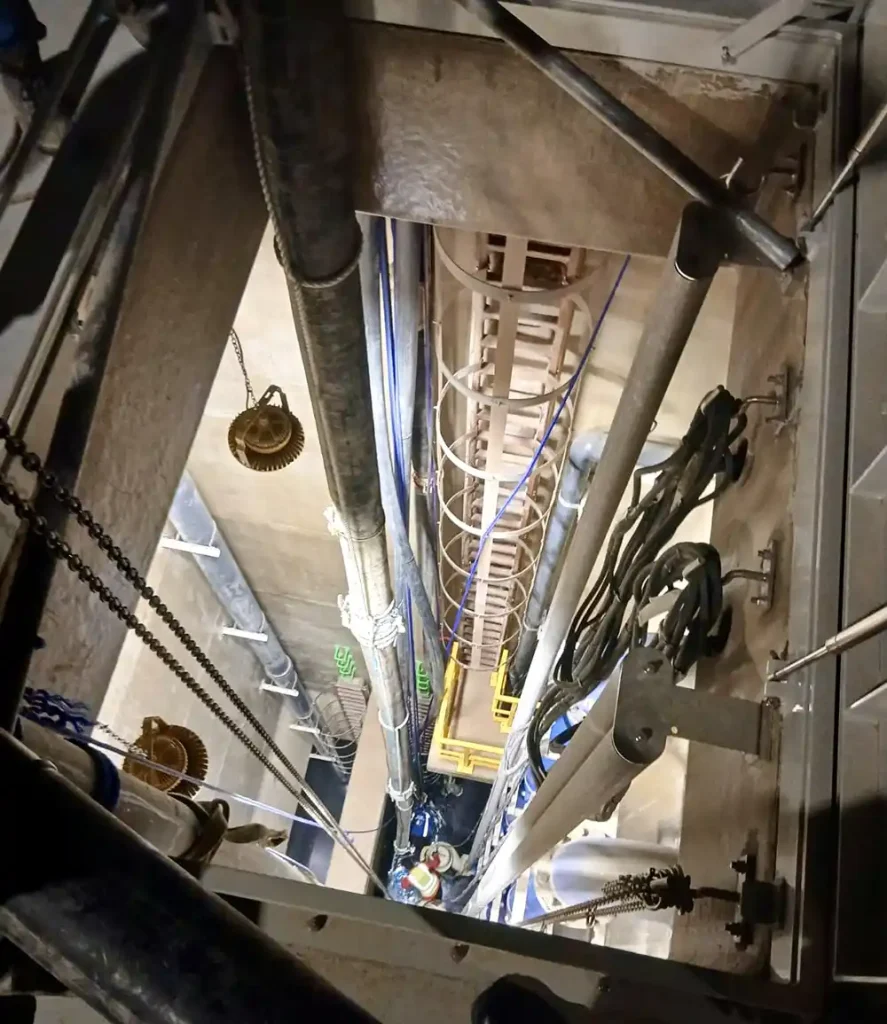
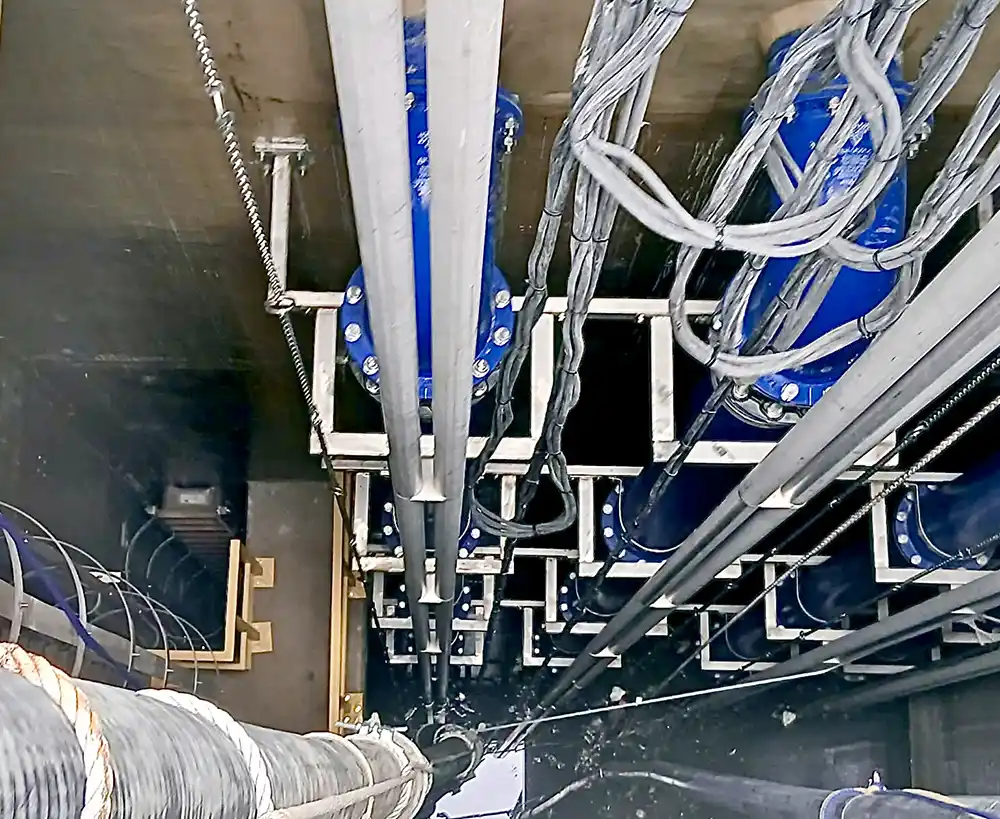
Stormwater chambers exceeding depths of 15 to 20 metres present a unique set of challenges. The deeper the chamber, the greater the risk.
Water must be lifted vertically over significant distances, often during peak inflow conditions where volumes rise rapidly within minutes. If not controlled correctly, this can lead to system surcharge, surface flooding, and disruption to surrounding infrastructure. In high traffic urban areas, the consequences are immediate. Blocked roads, restricted emergency access, and potential damage to underground utilities.
Why Standby Systems Matter
A common misconception is that pumping systems only need to perform when rainfall occurs. In reality, the key to effective flood mitigation lies in readiness, not reaction.
Standby pumping strategies ensure that equipment is:
- Installed and operational at all times,
- Maintained in peak condition; and
- Capable of immediate activation without delay.
This approach removes response time, which is often the deciding factor between controlled water levels and surface flooding.
Engineering for Reliability, Not Just Capacity
In deep chamber environments, selecting the right equipment is only part of the solution. The real focus must be on system reliability under worst case conditions.
This includes:
- Built in redundancy through duty and standby configurations,
- Equipment capable of handling solids and debris without failure; and
- Control systems that remain reliable even in harsh and contaminated environments.
In many cases, manual control systems provide a more dependable solution than automated sensors, particularly where debris or silt can interfere with instrumentation.

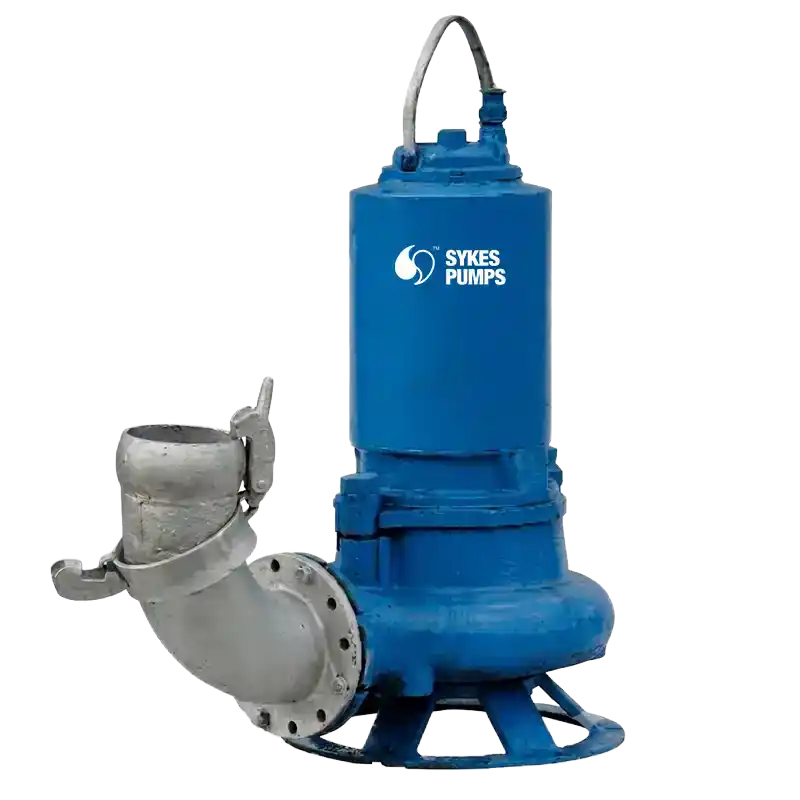
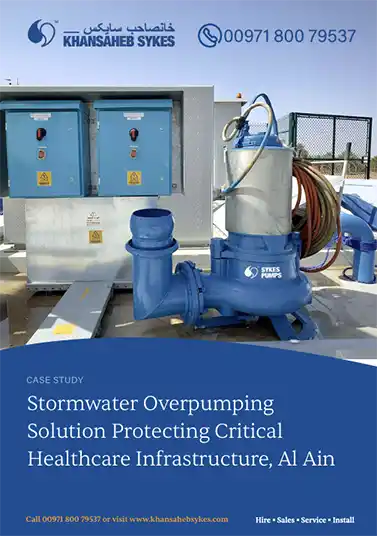
KE203 Submersible Wastewater Pump
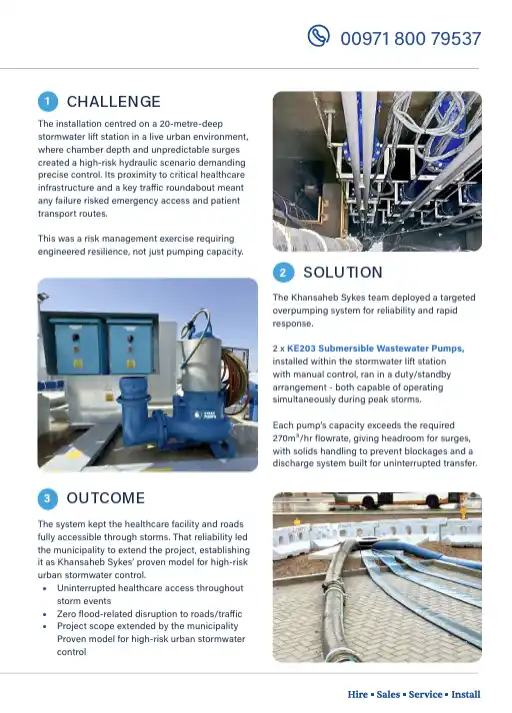
The KE203’s 22kW motor and 200mm suction deliver high-volume discharge, managing the 20m vertical lift to the surface manhole during storm surge events.
A Practical Example from Al Ain
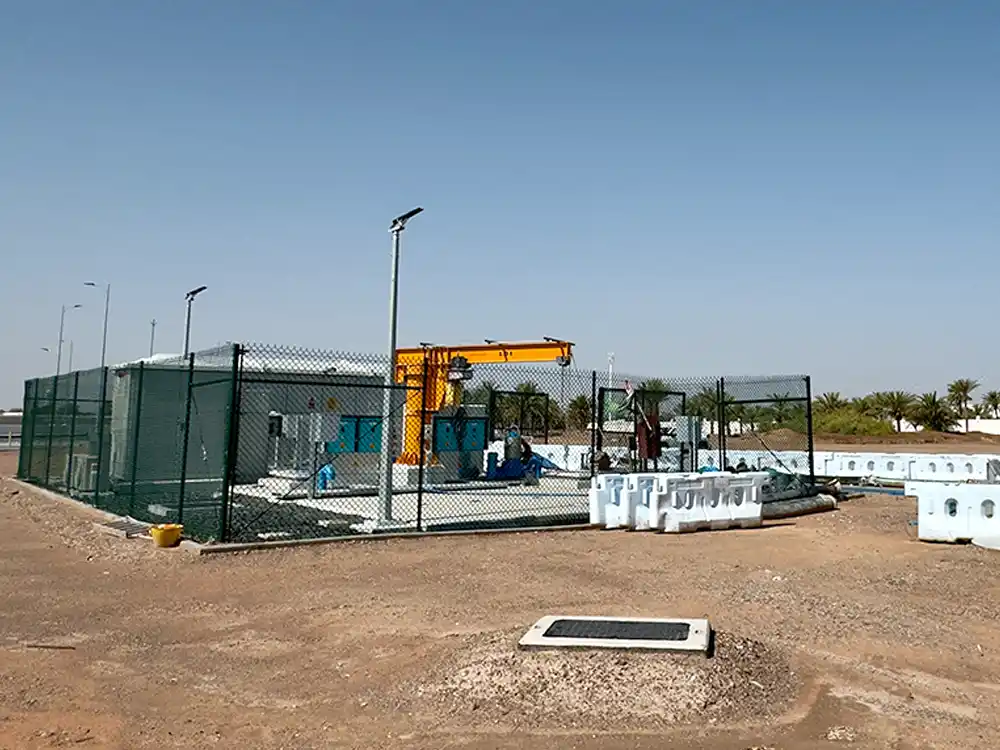
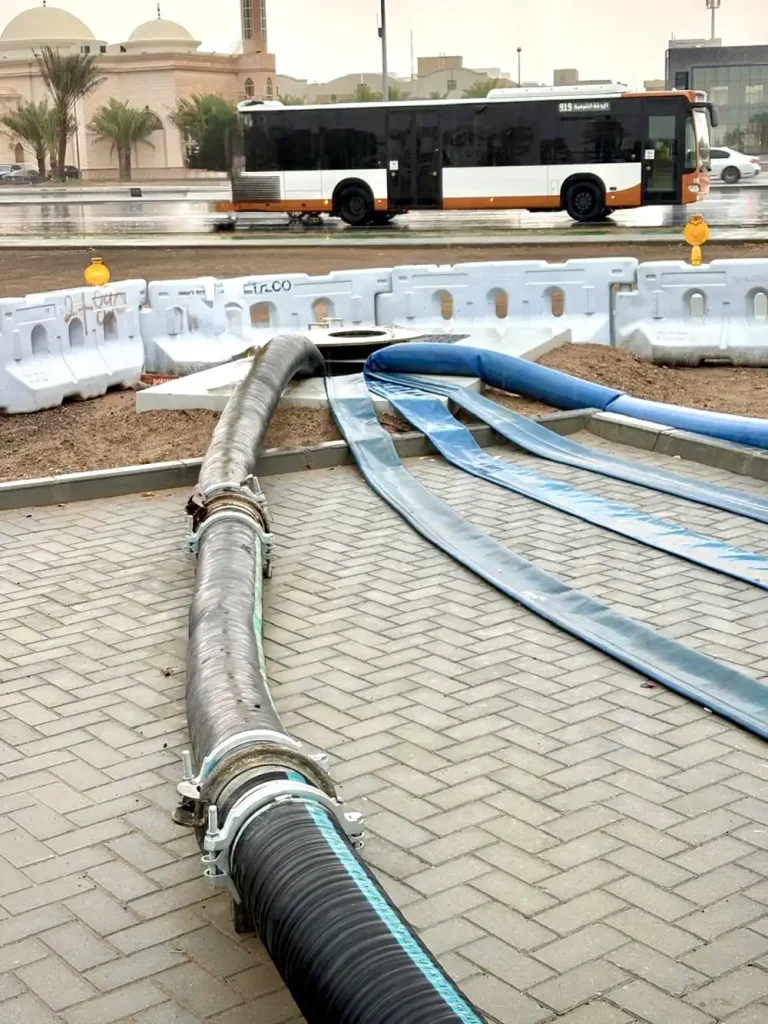
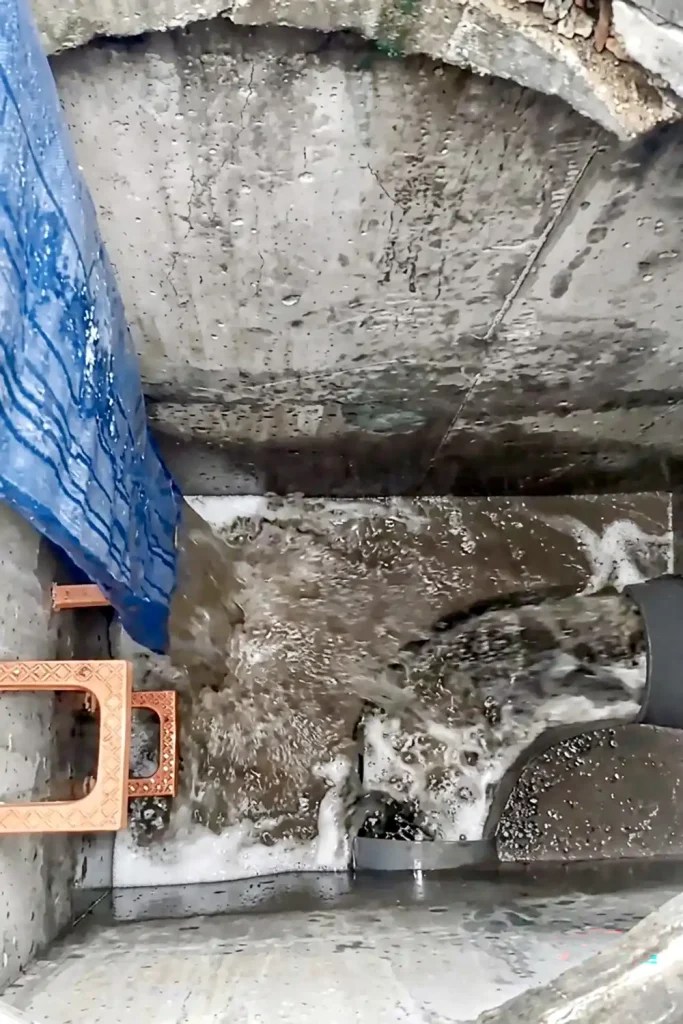
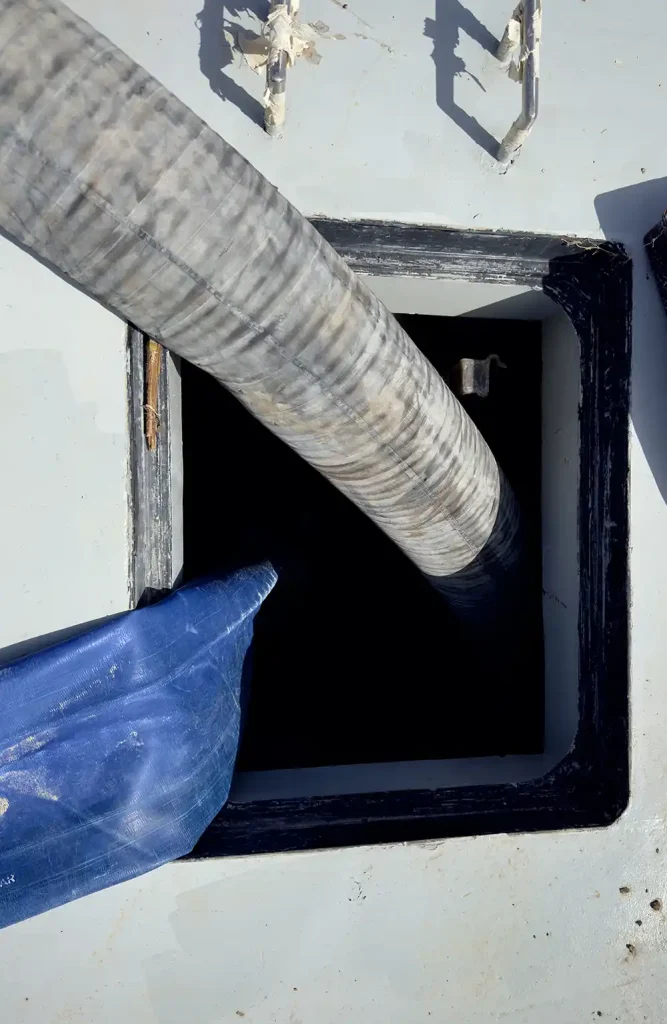
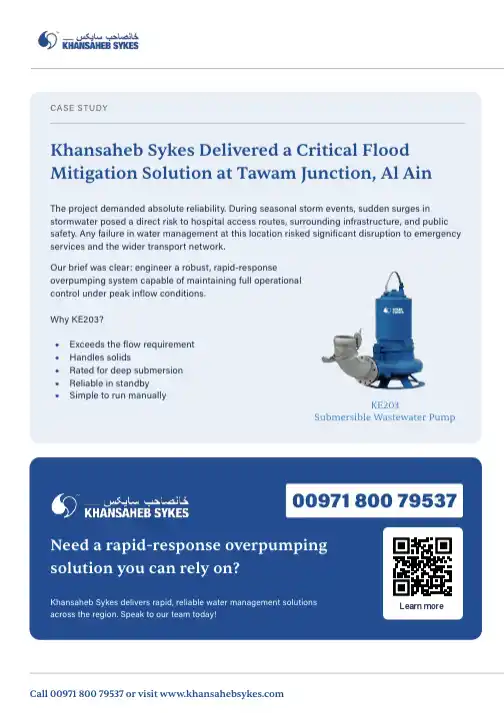
At a major urban junction in Al Ain, Khansaheb Sykes implemented a standby overpumping solution to protect a stormwater lift station serving a hospital access route and surrounding road network. The system was designed around continuous readiness, with high capacity submersible pumps configured to respond instantly to sudden inflow increases during storm events. The result was simple but critical. Uninterrupted access, controlled water levels, and zero disruption during adverse weather conditions.
Setting the Standard for Future Projects
Projects like this are shaping how stormwater risk is managed across the region. Similar flood mitigation demands were addressed during our High-Capacity Rainwater Management for Infrastructure, Dubai, where a multi-tiered pumping solution protected critical infrastructure from sudden rainfall and flooding. The focus is shifting away from reactive pumping towards engineered resilience, where systems are designed to anticipate and absorb peak demand. For developers, municipalities, and contractors, the lesson is clear:
Flood mitigation is not just about capacity. It is about certainty.
As infrastructure networks become more complex, the need for dependable, engineered pumping solutions will only increase. Standby systems, robust equipment selection, and practical operational strategies are now essential components of modern water management. Khansaheb Sykes continues to support critical infrastructure across the UAE, delivering solutions designed not just to perform, but to protect. If you are planning or managing infrastructure where water control is critical, speak to our team about designing a solution that prioritises reliability from day one.
Download Case Study
 |
Download Case Study: Stormwater Overpumping Solution Protecting Critical Healthcare Infrastructure, Al Ain |
|---|
Need a rapid-response overpumping solution you can rely on?
|
Khansaheb Sykes delivers reliable dewatering expertise across complex construction environments.
Speak to our team today on 00971 800 79537 to discuss your project requirements or enquire now |
|---|
FAQ’s
Why is a standby methodology utilised for this site?
This configuration ensures operational readiness whilst minimising mechanical wear during dry periods. The system is engineered to scale immediately from standby to active duty based on real-time rainfall intensity and hydraulic inflow.
How do the KE203 pumps manage the site’s specific flow requirements?
The KE203 is designed for high-volume water transfer at specific heads. Its 22kW motor allows it to move 288 m³/hr of water, ensuring the combined discharge capacity meets the peak inflow requirements of the station during extreme storm events.
What mechanical considerations are required for a 20m vertical discharge?
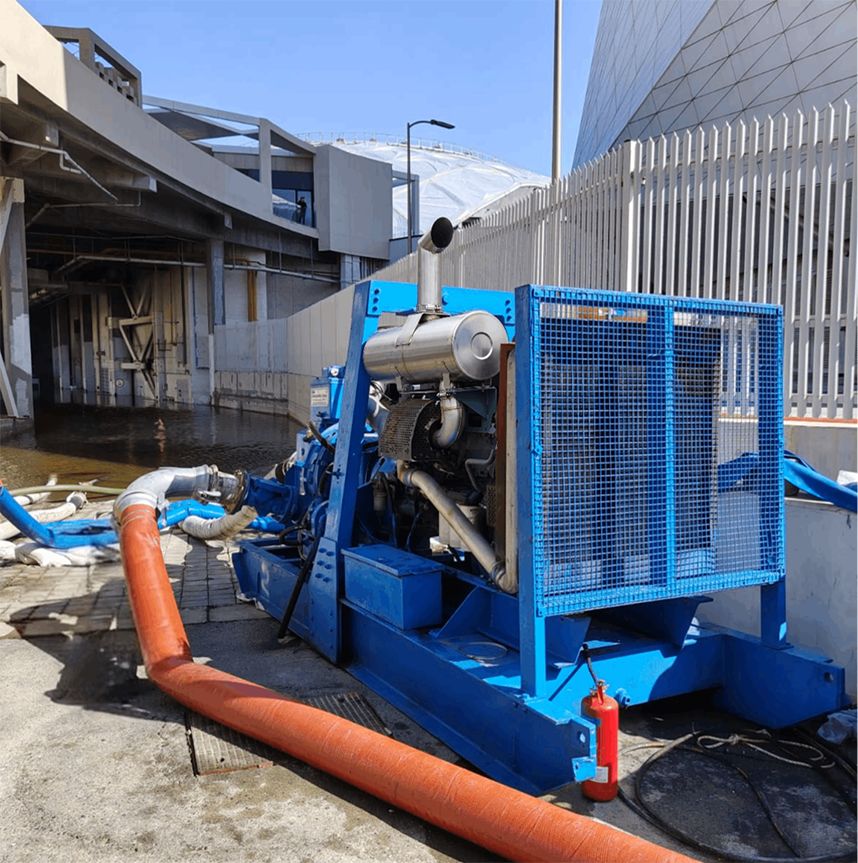
A 20m vertical lift requires precise management of static head to ensure the pumps maintain efficient discharge rates. The system utilises specialised high-pressure rubber and lay-flat hoses, reinforced with heavy-duty couplings and accessories, to withstand the internal hydraulic pressure needed to move water from the chamber floor to the surface manhole without loss of flow velocity.